
Oneness and Mindfulness: Exploring the Philosophy of Oneness
The idea of oneness has fascinated thinkers, spiritual leaders, and philosophers for centuries. It suggests that everything in the universe is interconnected, forming a single, unified whole. This concept is not just abstract theory but a practical approach to life that can transform how we see ourselves and the world around us. By exploring the philosophy of oneness, we can learn to live more harmoniously, reduce conflict, and deepen our sense of belonging.
Understanding Oneness and Mindfulness
Oneness is the recognition that all beings and things are fundamentally connected. This connection goes beyond physical proximity or social relationships. It is a deeper, spiritual unity that transcends individual differences. Mindfulness, the practice of being fully present in the moment, complements this idea by helping us become aware of this interconnectedness in our daily lives.
When we practice mindfulness, we observe our thoughts, feelings, and surroundings without judgment. This awareness allows us to see how our actions affect others and the environment. For example, when you notice the impact of your choices on the planet, such as reducing waste or conserving water, you are embodying the principle of oneness. Mindfulness helps us break down the illusion of separateness and fosters empathy and compassion.

The Roots of Oneness in Different Traditions
The concept of oneness appears in many religious and philosophical traditions worldwide. In Hinduism, the idea of Advaita teaches that the individual soul (Atman) and the universal soul (Brahman) are one and the same. Buddhism emphasizes interconnectedness through the principle of dependent origination, which states that all phenomena arise in dependence on others.
In Western philosophy, thinkers like Spinoza proposed that everything is part of a single substance, which he called God or Nature. Modern science also supports this view through discoveries in quantum physics, showing that particles are entangled and influence each other regardless of distance.
These diverse perspectives highlight a common truth: the boundaries we perceive between ourselves and others are often mental constructs. Recognizing this can lead to a more inclusive and compassionate worldview.
Practical Ways to Embrace Oneness and Mindfulness
Living with an awareness of oneness requires intentional practice. Here are some actionable steps to integrate these principles into your life:
Daily Meditation - Spend 10-15 minutes each day in meditation, focusing on your breath and the present moment. This practice cultivates mindfulness and helps you feel connected to the world around you.
Nature Connection - Spend time outdoors observing the natural world. Notice how ecosystems function as a whole, with each part supporting the others. This can deepen your appreciation for life’s interconnectedness.
Compassionate Actions - Engage in acts of kindness and service. Helping others reinforces the sense that we are all part of one community.
Mindful Consumption - Be aware of the impact of your purchases and lifestyle choices on the environment and society. Choose sustainable and ethical options whenever possible.
Reflective Journaling - Write about your experiences of connection and separation. Reflecting on these moments can increase your understanding of oneness.
By incorporating these practices, you can gradually shift your mindset from isolation to unity, improving your mental well-being and relationships.
The Impact of Oneness on Society and Environment
Understanding and embracing oneness has profound implications beyond the individual level. When communities adopt this philosophy, they tend to prioritize cooperation over competition. This shift can lead to more peaceful societies where conflicts are resolved through dialogue and mutual respect.
On a global scale, recognizing our interconnectedness encourages collective action on pressing issues like climate change, poverty, and inequality. When people see themselves as part of a larger whole, they are more likely to support policies and initiatives that benefit the planet and future generations.
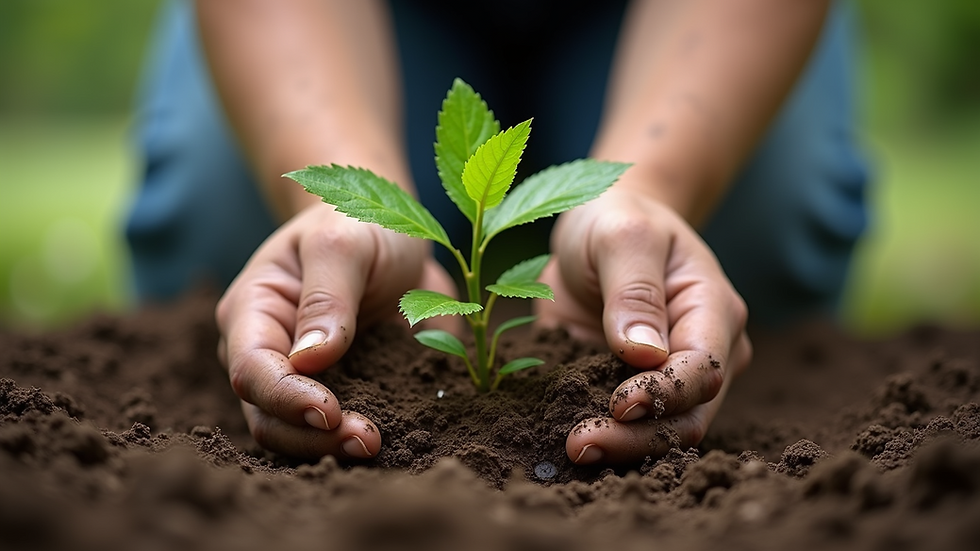
For example, community-based environmental projects that involve local residents in conservation efforts demonstrate how oneness can inspire practical solutions. These projects not only protect ecosystems but also strengthen social bonds and empower individuals.
Cultivating Oneness in Everyday Life
The journey toward oneness is ongoing and requires patience and commitment. Here are some tips to help you stay connected to this path:
Practice Gratitude - Regularly acknowledge the people, experiences, and natural elements that enrich your life. Gratitude opens your heart to connection.
Limit Distractions - Reduce time spent on activities that isolate you, such as excessive screen time or negative social media. Instead, engage in meaningful conversations and community events.
Learn from Others - Explore different cultural and spiritual traditions that emphasize unity. This broadens your perspective and deepens your understanding.
Stay Curious - Ask questions about your beliefs and experiences related to separation and connection. Curiosity fosters growth and transformation.
By making these small but consistent changes, you can embody the principles of oneness and mindfulness in your daily routine.
Exploring the philosophy of oneness reveals a powerful framework for living with greater awareness, compassion, and harmony. It invites us to see beyond individual differences and recognize the shared essence that binds all life. Whether through meditation, community engagement, or mindful living, embracing oneness can lead to a more fulfilling and peaceful existence.


Comments